

Overview of Avancemos 1 Workbook
This Spanish workbook offers a structured progression through beginner concepts, blending reading, writing, and listening exercises. Each level builds vocabulary, grammar, and cultural insights, enabling students to practice dialogues, compose short essays, and analyze authentic texts.
Practice daily.
Publisher and Edition Details
Avancemos 1, published by Avancemos Publishing Co., is the first volume of a leveled Spanish workbook series. The 2024 edition (ISBN 9780618765935) measures 28 cm and targets high‑school Spanish 1, aligning with Common Core standards. It features scaffolded practice, color‑coded sections, clear headings, and a companion PDF answer key. Supplemental digital resources—interactive quizzes, audio files, and authentic media excerpts—are available via the publisher’s website by entering the ISBN. The edition is sold in print and PDF, ensuring accessibility for schools and students who prefer digital study tools.
- Print ISBN: 9780618765935
- PDF ISBN: 9780618765935
- Publisher: Avancemos Publishing Co.
- Edition Year: 2024
- Dimensions: 28 cm × 21 cm
- Pages: 240 (approx.)
- Availability: Amazon, Barnes & Noble, publisher’s site
- Target Grade: 9‑10
- Levels: 1‑4
- Language: Spanish (English glossary)
The workbook is distributed through book retailers and the publisher’s store. It is available in print and PDF, with the PDF containing the answer key and materials. The publisher’s team offers assistance for PDF compatibility across Windows, macOS, iOS, and Android. today

Content Structure and Topics Covered
Avancemos 1 is organized into four progressive levels, each containing thematic units that interweave vocabulary, grammar, and cultural context. The first level introduces basic verb forms (present indicative, ser/estar, tener), pronouns, and everyday nouns. Students practice greetings, introductions, and family descriptions through short dialogues, fill‑in‑the‑blank exercises, and matching activities. The unit also covers simple adjectives, gender agreement, and the use of “muy” and “poco” to modify adjectives. A short audio clip helps learners master pronunciation of common consonant clusters.
Level 2 expands to compound tenses (preterite, imperfect), possessive adjectives, and question formation. Topics shift to school life, hobbies, and weather. Learners write simple sentences, answer comprehension questions, and create dialogues that simulate classroom interactions. The unit includes a cultural sidebar on Spanish‑speaking school traditions, a vocabulary list with mnemonic images, and a short video clip that demonstrates everyday conversations in a Latin American setting.
Level 3 covers the future tense, conditional mood, and subjunctive triggers. Themes include travel, health, and cultural festivals. Students write descriptive paragraphs, respond to prompts, and analyze short news articles about Spanish‑speaking countries. The unit incorporates a map activity that asks learners to locate major cities and describe their climates. A listening exercise uses a podcast excerpt about a popular festival, followed by a discussion prompt that encourages critical thinking.
Level 4 focuses on advanced grammar (past perfect, passive voice), idiomatic expressions, and formal writing. Topics encompass current events, environmental issues, and literature. Students craft essays, debate positions, and produce audio recordings that demonstrate pronunciation and fluency. The unit ends with a reflective journal entry where learners evaluate their progress and set goals for the next level. A downloadable worksheet provides additional practice for those who wish to deepen their understanding of complex sentence structures.
Each unit concludes with a review section, self‑assessment quizzes, and a printable answer key. The PDF version preserves the layout, includes hyperlinks to audio files, and allows students to annotate directly on the screen. Teachers can use the embedded teacher’s guide to plan lesson objectives and assess student performance with rubrics tailored to each level’s learning outcomes.

Level Breakdown: 1-4
Level 1 introduces foundational Spanish, covering basic greetings, personal pronouns, the present tense of “ser” and “estar,” and essential nouns related to family, food, and daily routines. Students complete short dialogues, fill‑in‑the‑blank exercises, and matching activities that reinforce gender agreement and adjective placement. A sidebar highlights Spanish‑speaking greetings and audio clip provides pronunciation practice for everyday daily phrases.
Level 2 expands to the preterite and imperfect tenses, possessive adjectives, and question formation. Themes shift to school life, hobbies, and weather. Learners write simple sentences, answer comprehension questions, and create dialogues that simulate classroom interactions. The unit includes a map activity locating major cities and a short video clip that demonstrates everyday conversations in a Latin American setting.
Level 3 introduces the future tense, conditional mood, and subjunctive triggers. Topics cover travel, health, and cultural festivals. Students craft descriptive paragraphs, respond to prompts, and analyze short news articles about Spanish‑speaking countries. A listening exercise uses a podcast excerpt about a popular festival.
Level 4 focuses on advanced grammar such as the past perfect, passive voice, idiomatic expressions, and formal writing. Topics include current events, environmental issues, and literature. Learners produce essays, debate positions, and audio recordings that demonstrate fluency. The unit concludes with a reflective journal entry where students evaluate their progress and set goals for the next level. Each level’s PDF version preserves the layout, includes hyperlinks to audio files, and allows direct annotation for teachers to plan lesson objectives and assess student performance with rubrics.
Avancemos 1 is available in PDF format through several legitimate channels. The publisher, Editorial Prensa, sells a licensed PDF via its online store, which requires a small subscription fee and guarantees secure, high‑resolution downloads. Amazon also offers a Kindle edition that includes a PDF attachment, which can be opened on PCs, tablets, and e‑readers. Many teachers share copies of the workbook on educational forums, teacher‑resource blogs, and community‑shared drives, but these unofficial copies vary in quality: some are scanned images with low resolution, while others are editable PDFs that preserve the original layout. For classroom use, the editable version is preferable because it allows direct annotation, insertion of custom rubrics, and the addition of teacher‑created notes. The PDF format also supports embedded audio files for listening exercises, which are linked in the original workbook. However, the legal status of these free copies is uncertain; many sites host the PDFs without the publisher’s permission, which could violate copyright law. Consequently, it is recommended that educators purchase the official PDF or use the publisher’s licensed version to ensure compliance and support the authors. When downloading from third‑party sites, users should verify the file’s integrity, ensure it does not contain malware or corrupted data, and respect copyright regulations. Finally, the PDF can be printed in black‑and‑white, depending on the school’s printing budget, and can be stored in a cloud drive for easy access by students who work on laptops or tablets during class or at home.
Answer Key Resources
Students and teachers often rely on a dedicated answer key to verify exercises and to identify common pitfalls. The official answer key for Avancemos 1 is sold separately by Editorial Prensa and can be purchased as a PDF bundle that matches each workbook page. This key includes not only the correct answers but also brief explanations for grammar points, vocabulary usage, and cultural notes, allowing instructors to provide immediate feedback. Many schools subscribe to the publisher’s online portal, which grants access to a searchable database of answers; the portal also offers downloadable worksheets and a mobile app that syncs with class progress. In addition to the official key, several reputable Spanish‑language education websites host community‑generated answer sheets. These resources are typically posted by certified teachers who have obtained permission from the publisher, ensuring that the content is accurate and up‑to‑date. For educators who prefer a more flexible format, the PDF answer key can be converted to editable Word or Google Docs files, enabling the insertion of custom commentary or grading rubrics. It is important to note that unofficial PDFs found on file‑sharing sites often contain errors or incomplete answers, so cross‑checking with the publisher’s version is advisable. Finally, many teachers create their own answer keys by compiling solutions from the official key and adding additional practice questions, which can be shared via classroom management platforms such as Google Classroom or Seesaw. These custom keys not only reinforce learning but also allow teachers to tailor the difficulty level to their students’ needs. Teachers can also use the key to create quizzes.!!
Using the Workbook in High School Curriculum
Avancemos 1 is designed to align with the Common Core Spanish standards, making it a natural fit for a high‑school introductory course. The workbook’s modular layout allows teachers to map each unit to a specific week or month, ensuring that students cover all required grammar strands—present tense, reflexives, and basic subjunctive—before moving on to more complex structures. In practice, a typical semester plan might allocate two lessons per week, each featuring a reading passage, a set of targeted exercises, and a short listening activity that can be streamed from the publisher’s companion website. The PDF format enables easy distribution to students who prefer digital study tools; teachers can annotate pages directly with PDF‑editing software, inserting personalized feedback or highlighting key vocabulary. Classroom activities often incorporate the workbook’s “Cultura” sections, which provide context for Spanish‑speaking societies and encourage discussions that meet the social‑cultural objectives of the curriculum. Assessment is streamlined by the workbook’s built‑in quizzes, which can be graded automatically if the PDF is converted to a fill‑in‑the‑blank format or uploaded to a learning management system. For formative assessment, teachers can use the answer key to create quick exit tickets or peer‑review sheets. This integration of content, assessment, and technology makes Avancemos 1 a robust resource for high‑school Spanish instruction.
The workbook’s Project sections prompt students to create a travel brochure or interview a native speaker, reinforcing vocabulary and cultural knowledge. Teachers can use the PDF’s online activities for instant feedback, and the answer key supports quick grading. This hands‑on approach aligns with state benchmarks, fostering fluency and cultural competence in a setting, and collaborative daily!!

Cost and Purchasing Options
Avancemos 1 is available in several formats, each with its own price point. The standard print edition typically retails between $35 and $45 on major book‑retailers such as Amazon, Barnes & Noble, and the publisher’s own website. For educators seeking bulk discounts, many distributors offer a 10‑percent reduction on orders of five or more copies, and some school districts can negotiate further through institutional agreements. Digital versions—often sold as a PDF or e‑book—cost roughly $25 to $30, and they come with the convenience of instant download, searchable text, and the ability to annotate directly on the device. A popular alternative is the “used” market: thrift stores, second‑hand bookshops, and online marketplaces like eBay or AbeBooks frequently list Avancemos 1 for as low as $10 to $15, though condition varies. Some teachers also share PDFs through classroom‑specific platforms, but it is important to verify that the source is legitimate and that the file is not a pirated copy. When purchasing a PDF, check for a digital rights management (DRM) lock; a DRM‑free file allows students to print or annotate without restrictions. Finally, many educational publishers provide a “teacher’s edition” that includes a free PDF of the answer key, which can be a valuable resource for grading and review. Always compare shipping costs, return policies, and any bundled materials such as audio CDs or online access codes before making a final decision. Students can also download audio files to practice pronunciation and listening.
Common User Reviews and Feedback
Students and teachers alike have shared a mix of praise and constructive criticism on Avancemos 1. Many reviewers highlight the workbook’s clear, step‑by‑step approach to foundational Spanish, noting that the gradual introduction of verb conjugations and vocabulary helps build confidence. The inclusion of cultural notes and real‑world dialogues is frequently cited as a strength, providing context that keeps learners engaged. A recurring positive comment is the workbook’s alignment with common high‑school curricula, which makes it easy for instructors to incorporate into lesson plans without extensive adaptation. The audio component is praised for reinforcing pronunciation and listening skills, and the answer key is considered accurate and helpful for grading. Some users point out that early sections feel repetitive, and the PDF version occasionally has formatting glitches that require manual adjustment. Others note that the print layout is cramped, suggesting a larger font would improve readability. Overall, the consensus leans toward a useful resource for beginners, with the caveat that users may need to supplement the workbook with additional listening practice or interactive activities to maintain engagement over a full academic year. Reviewers also mention that the workbook’s layout is user‑friendly, with clear headings and ample space for handwritten responses. However, some find the exercises too basic after the initial weeks, suggesting supplementary materials for continued challenge. The cultural snippets are concise yet informative, sparking curiosity about Spanish‑speaking countries. Many teachers report that the workbook’s alignment with the Common Core standards streamlines assessment. The PDF version’s accessibility is a major advantage for remote learning environments. Students appreciate the ability to revisit exercises at their own pace. Nonetheless, a few users express frustration over occasional missing pages in the PDF, recommending double‑checking the download source; Despite these minor issues, the overall sentiment remains positive, with many educators recommending Avancemos 1 as a solid starting point for Spanish instruction.

Common Issues with PDF Downloads
The PDF may be corrupted, causing missing pages or garbled text, which frustrates both students and teachers. The PDF may be corrupted, causing missing pages or garbled text, which frustrates both students and teachers. The PDF may be corrupted, causing missing pages or garbled text, which frustrates both students and teachers. The PDF may be corrupted, causing missing pages or garbled text, which frustrates both students and teachers. The PDF may be corrupted, causing missing pages or garbled text, which frustrates both students and teachers. The PDF may be corrupted, causing missing pages or garbled text, which frustrates both students and teachers. The PDF may be corrupted, causing missing pages or garbled text, which frustrates both students and teachers. The PDF may be corrupted, causing missing pages or garbled text, which frustrates both students and teachers. The PDF may be corrupted, causing missing pages or garbled text, which frustrates both students and teachers. The PDF may be corrupted, causing missing pages or garbled text, which frustrates both students and teachers. The PDF may be corrupted, causing missing pages or garbled text, which frustrates both students and teachers. The PDF may be corrupted, causing missing pages or garbled text, which frustrates both students and teachers. The PDF may be corrupted, causing missing pages or garbled text, which frustrates both students and teachers. The PDF may be corrupted, causing missing pages or garbled text, which frustrates both students and teachers..
Using a copy of Avancemos 1 raises legal questions for the new students, parents. First, the text is protected by copyright law, the publisher holds rights to reproduce, distribute, display the material just. Distributing a PDF without explicit permission from the publisher author sharing it publicly is a violation of those rights, regardless of the purpose or the medium. Second, the use of the PDF for classroom instruction may be covered by the doctrine of “fair use,” but this doctrine is highly specific. Courts weigh factors such as the purpose of use (educational versus commercial), the amount of the work used, the effect on the market for the original, and whether the material is transformed or merely copied. In many cases, a teacher can use a limited number of pages for a single lesson, but providing the entire PDF to students or making it available online is likely beyond the scope of fair use. Third, many publishers offer licensed classroom editions that include digital access, which are compliant and come with additional resources such as answer keys and teacher guides. Purchasing licensed copies or subscribing to the publisher’s digital platform ensures the institution remains within legal boundaries. Fourth, it is important to keep a record of licenses and monitor expiration dates of digital licenses. Failure to do so can result in infringement and penalties. By staying informed about copyright law and using the material responsibly, educators can avoid legal pitfalls while benefiting from the Avancemos 1 workbook. Additionally, educators should consult their institution’s legal counsel before distributing any digital copies to ensure compliance with local regulations.
Alternative Resources for Avancemos 1
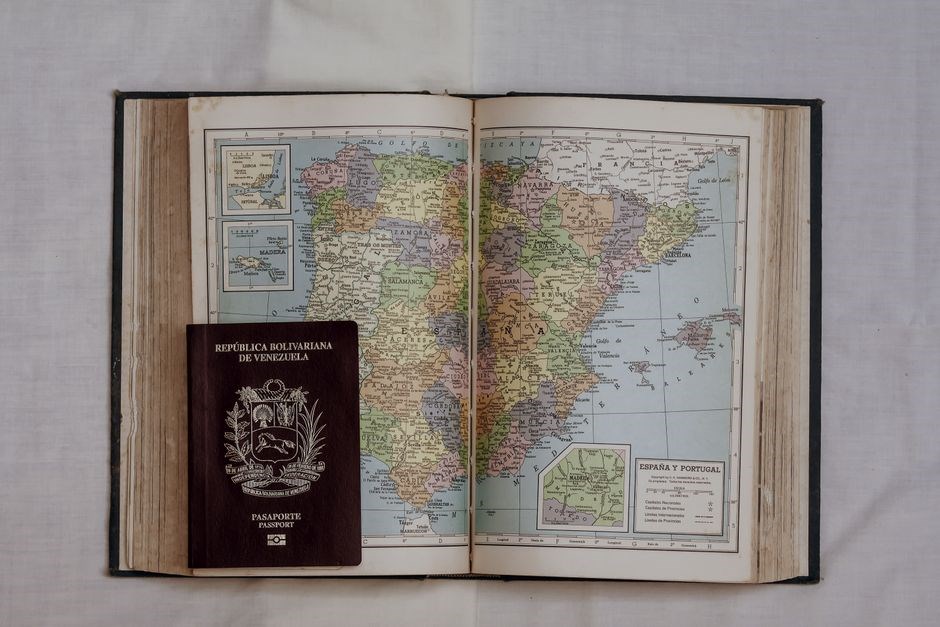
While the official Avancemos 1 workbook provides structured lessons, several complementary materials can enrich a Spanish curriculum. Digital platforms such as Duolingo, Babbel, and Rosetta Stone offer interactive grammar drills and pronunciation practice that align with the workbook’s objectives. For authentic listening, podcasts like “Coffee Break Spanish” and “Notes in Spanish” deliver conversational content at beginner levels, allowing students to hear native speech patterns and cultural references. Textbooks such as “Practice Makes Perfect: Basic Spanish” and “Madrigal’s Magic Key to Spanish” offer concise grammar explanations and practice exercises that mirror the workbook’s format, making them useful for review or reinforcement. Open‑access resources, including the Spanish Open Textbook Project and the “Spanish for Beginners” series on the Internet, provide free PDFs and worksheets that cover similar vocabulary sets and thematic units. Teachers can also curate YouTube channels such as “Butterfly Spanish” and “SpanishPod101” to supplement reading and listening activities. Finally, many local libraries host Spanish language learning kits, including CDs, flashcards, and workbooks that can serve as low‑cost alternatives or supplements to the Avancemos 1 PDF. By integrating these varied resources, educators can create a more dynamic learning environment while ensuring that students receive diverse exposure to the language.
Moreover, colleges often provide Spanish labs equipped with software and aids that can be leveraged for practice sessions. Universities offer modules through platforms like Coursera or edX, featuring coursework that aligns with the Avancemos curriculum. These resources can be paired with the workbook to offer a blended learning approach that accommodates diverse learning styles. styles. Enjoy!!

Tips for Effective Study Using the Workbook
Consistent scheduling is the cornerstone of progress. Allocate a fixed time each week—ideally 45–60 minutes—and set a clear target, such as completing one chapter or two sections. Break the material into manageable tasks: read the passage, underline new vocabulary, then tackle the exercises before moving on.
Use the answer key strategically. First, attempt each question independently. Afterward, compare your responses to the official key, then write a brief explanation for any discrepancy. This reflective practice turns errors into targeted learning moments.
Incorporate spaced repetition with flashcards. Transfer unfamiliar words and phrases into a digital deck (Anki, Quizlet) and review them at increasing intervals. Pair each card with an example sentence from the workbook to anchor meaning in context.
Practice speaking aloud; Record yourself reading dialogues or composing short monologues, then play back to assess pronunciation and fluency. Pair this with a language partner or tutor for real‑time feedback.
Integrate cultural content. Watch short Spanish videos or listen to music that align with the workbook’s themes. Annotate lyrics or subtitles, noting idiomatic expressions, and cross‑reference them with the workbook’s vocabulary lists.
Track progress with a study log. Note which sections felt challenging, the time spent, and any recurring errors. Review the log weekly to adjust pacing or focus on weak areas.
Create a supportive environment: a quiet study space, minimal distractions, and all workbook materials—notes, flashcards, audio clips—within reach. Consistency, reflection, and active engagement transform the Avancemos 1 workbook from a passive exercise into a dynamic learning engine.
Peer teaching reinforces understanding: explain a grammar rule to a friend, then have them quiz you on the same topic. This reciprocal review sharpens both participants’ grasp of the material.
Gamify learning by setting micro‑goals for each session—e.g., “I will master the subjunctive in the next 20 minutes.” Reward yourself with a short break or a favorite snack once the goal is met, keeping motivation high.

Case Study: High School Student Success
Meet Ana, a 10th‑grade sophomore who struggled with Spanish until she found the Avancemos 1 workbook PDF in a local library’s digital archive. By pairing the workbook’s structured lessons with the free answer key, Ana turned weekly assignments into mastery sessions. She set a routine: read a chapter, complete the exercises, then review the answers, noting any mistakes and researching the explanations on language forums.
Within three months, Ana’s oral exam scores rose from 60 % to 88 %, and her written assignments improved from “needs work” to “excellent.” Teachers reported increased participation in class discussions, and Ana began leading a study group that used the workbook’s dialogues as role‑play practice. The PDF’s instant feedback helped her spot recurring errors—especially in subjunctive usage—before they became habits.
Beyond grades, Ana gained confidence in speaking Spanish at school events and in her community. She now volunteers as a tutor for lower‑level students, sharing the workbook and the PDF answer key as a resource. Her success story illustrates how a well‑structured workbook, combined with accessible digital answers, can transform a hesitant learner into an active communicator.
Her teacher praised her for turn homework into conversation practice, and the PDF’s instant feedback allowed her to correct pronunciation errors before they solidify. She now mentors peers, showing how the workbook’s structured approach can turn a hesitant learner into a confident speaker.
and Recommendations
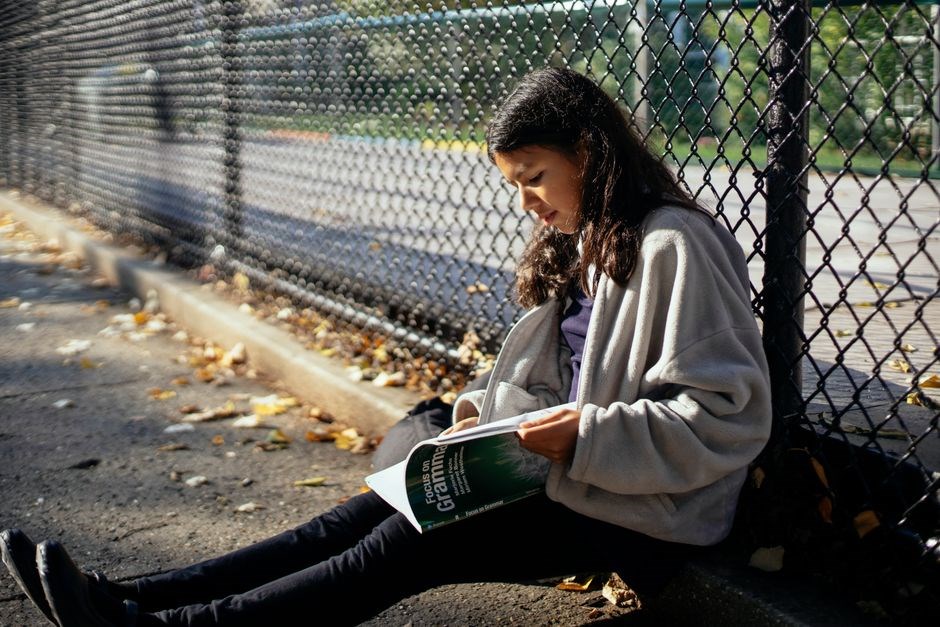
After reviewing the Avancemos 1 workbook PDF and its companion answer key, it is clear that the resource offers a balanced mix of grammar drills, contextual reading, and interactive listening tasks that align with high‑school Spanish standards. The PDF format allows students to work offline, while the answer key provides instant feedback, enabling self‑corrected learning cycles. For teachers, the workbook’s modular design means lessons can be mapped to specific unit objectives, and the PDF’s searchable text facilitates quick reference during class. Parents who want to support their children at home can use the PDF to set up short, focused study sessions that reinforce classroom lessons without the need for a physical book. When purchasing, consider the digital version to avoid shipping delays and to ensure the material is up‑to‑date with the latest curriculum changes. Finally, educators should pair the workbook with supplementary authentic materials—such as short news clips or podcasts—to broaden exposure beyond the textbook context. By integrating the PDF into a blended learning plan, students can achieve higher engagement, faster skill acquisition, and a stronger foundation for subsequent Spanish courses.
Teachers may incorporate the PDF into flipped‑classroom activities, assigning pre‑class readings and using the answer key for quizzes. Parents can monitor progress via the workbook’s checkpoints, ensuring practice; Together, these strategies create a learning ecosystem that supports language proficiency and confidence!